Why Do People Believe What They Believe About God?
How do Social Constructionism and Spiral Dynamics help us understand theological belief formation in ways that lead to a more peaceable world?

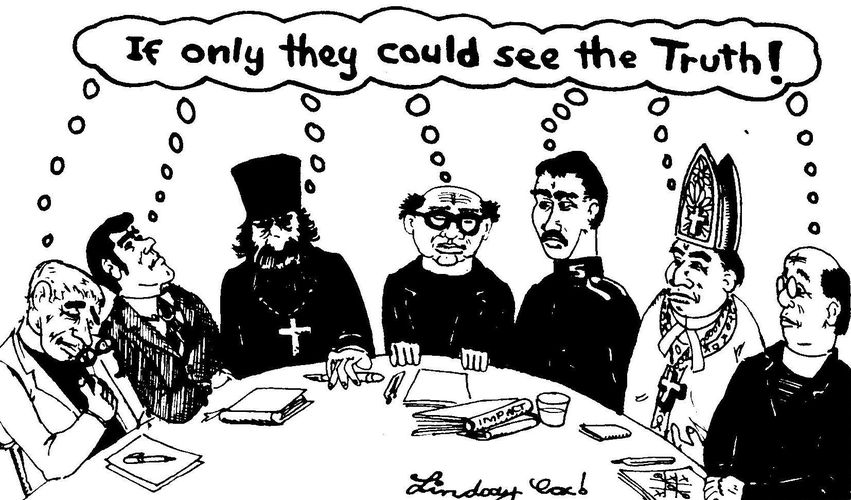



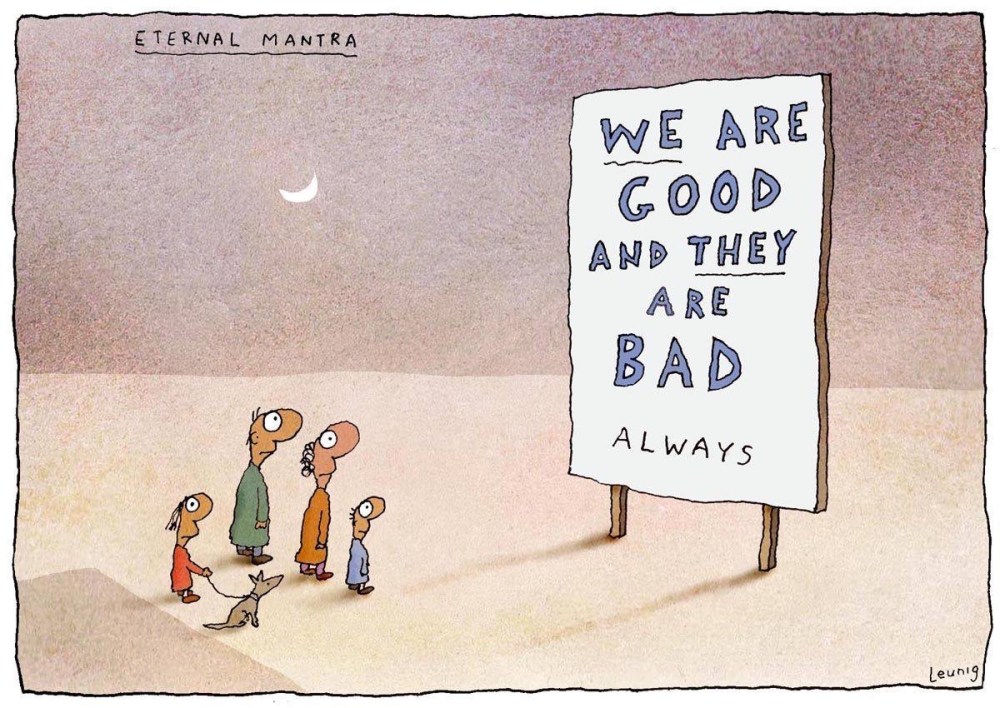
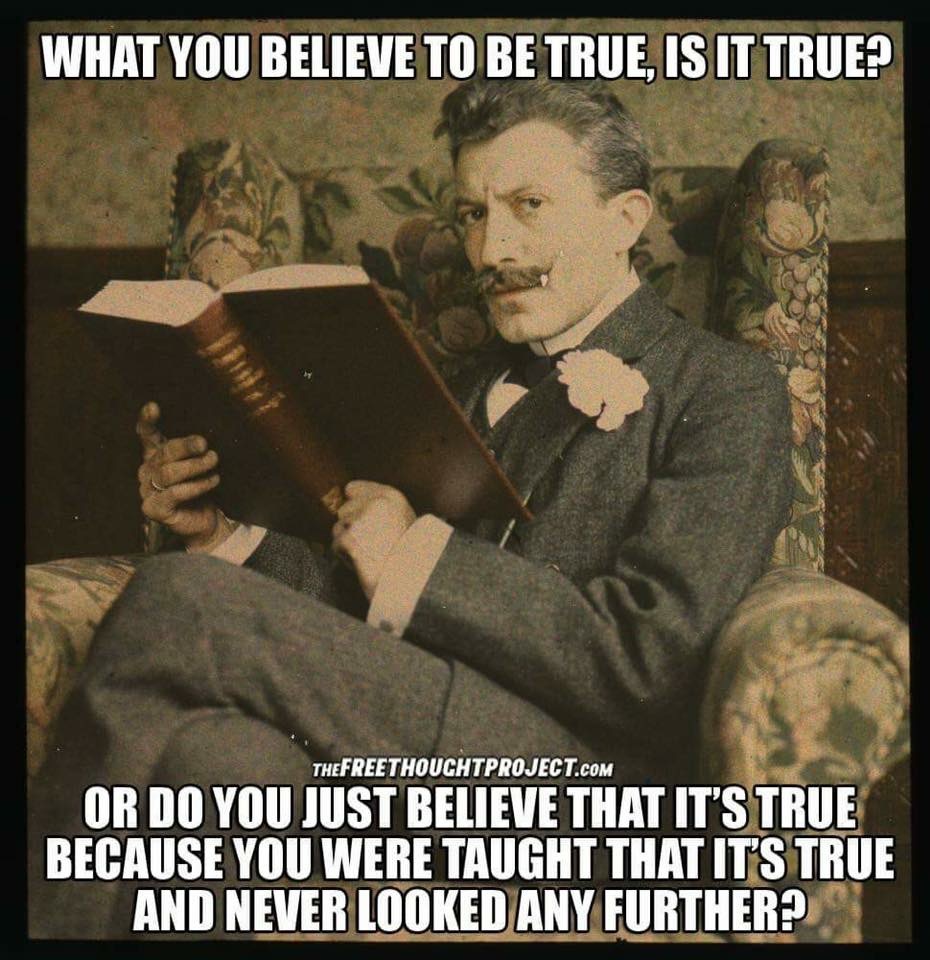


What is Social Constructionism?
Social Constructionism is the prime lens through which this research will be conducted. The key insights of Social Constructionism relevant to my thesis are that
the relationship between man (sic), the producer, and the social world, his (sic) product, is and remains a dialectical one.1
Individuals and society create each other and do so in specific ways. Things are the way they are but could be different. We can consciously create better ways to think and be.
To say something is socially constructed is to identify that we, as humans, have made it this way; and that it could be otherwise. We create the social world we inhabit, as it creates us. Humanity, as individuals and societies, are locked in a dialectical dance where each creates and recreates the other.
Read Blog post: The Social Construction of Theological Belief for a more detailed explanation.
What is Spiral Dynamics?
Spiral Dynamics provides a cognitive grid upon which I will map how people perceive reality. This theory explains how we all proceed, in various ways, increasingly to comprehend the world we inhabit. As we ascend through the oscillating spiral of self-development, which is then in turn expressed in sacrificing the self for the sake of the other, new ways of being and moving in the world are made known to us.2
Similarly, to Maslow’s Hierarchy of Needs, but in considerably more detail, Spiral Dynamics allows us to locate individuals and groups on a developmental spectrum. In mapping worldviews, it lends insight into some of the major factors that influence belief formation. Applying these insights to theological belief formation will not only reveal a more detailed terrain in the nature of belief in God, but create a way to communicate and consider how healthy dialogue can take place among people with fundamentally incompatible belief systems.
Read Blog post: The Social Construction of Theological Belief for a more detailed explanation.
- Peter Berger and Thomas Luckmann, The Social Construction of Reality: A Treatise in the Sociology of Knowledge (New York: Open Road Integrated Media, 1966), p.84
- Don Beck. Spiral Dynamics Integral: Learn to Master the Memetic Codes of Human Behaviour (Louisville: Sounds True Inc.) Audiobook. Ch.1:16.45
 whybelief.com